

HOME Accents
Our Products
At Carolina Beams, we pride ourselves on offering tailored beam solutions that blend rustic charm with modern elegance.
Whether you’re an architect designing a masterpiece, a homeowner looking for unique finishes, or a builder seeking reliable materials, our comprehensive range of services ensures you find the perfect beam for every need.
Explore our categories and start building your vision today.
Request a Quote
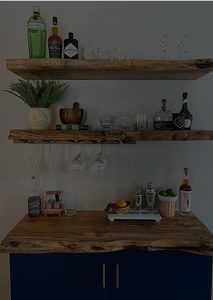


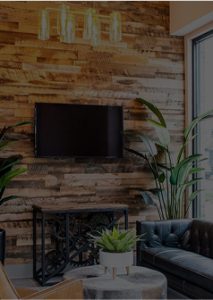
CUSTOM WOOD PRODUCTS
Design Your Dream ProjectAt Carolina Beams, we pride ourselves on offering tailored beam solutions that blend rustic charm with modern elegance. Whether you're an architect designing a masterpiece, a homeowner looking for unique finishes, or a builder seeking reliable materials, our comprehensive range of services ensures you find the perfect beam for every need. Start building your vision today.
Answers to frequently asked questions
about services, materials, and processes.
Why do people want old barnwood?
It all boils down to the superior quality of old wood growth. Modern trees have the luxury of receiving ample sunlight as they compete with less foliage for resources. Although this may seem like a positive attribute, it can have a negative impact on the tree’s overall strength and durability. With rapid vertical growth, the core of the tree is given less time to develop properly, resulting in a weaker structure. In contrast, old wood trees thrived in forests packed with dense vegetation. This forced them to grow taller and leaner as they vied for sunlight, but it also allowed for slower, steadier core growth. Over time, the core developed into a denser, more resilient structure that could withstand the elements and the test of time. It is this characteristic of old wood growth that makes barnwood such a sought-after material for flooring, paneling, and furniture. Its age and the conditions in which it was cultivated ensure that it is imbued with unmatched durability and stability. Additionally, the natural wear and patina that occur over time add a unique character and charm to the reclaimed lumber pieces.
What is the best finish for reclaimed lumber?
Apply a wax or wood finish (ideally polyurethane solutions) to your planks before you transform them into a recycled beauty. There should be at least an hour’s delay time between layers; therefore, plan on applying two or three.
Should flooring be nailed or screwed?
If you are installing solid hardwood flooring, nails are the superior choice. Nailing is also considered the most common method. But ultimately, the decision between nailing and screwing boils down to personal preference and the specific requirements of the flooring you are installing.
Can you lay hardwood directly on subfloor?
Solid hardwood requires a subfloor free of obstacles, so any vinyl, carpet, concrete, or ceramic tiles must go. Engineered hardwood floors can be glued or floated down on any subfloor, such as concrete, wood, tile, or fully adhered vinyl.
Is wood glue alone strong enough?
In some cases, wood glue can be strong enough to be used without nails or screws. Lumber joints, like box joints, must have a lot of space for the wood adhesive to stick to. A joint formed by butting two separate pieces of timber together and then gluing them will not be very sturdy.
Do you have to wait 24 hours for wood glue?
Time required for drying ranges from 10 to 30 minutes, depending on factors such as wood species, ambient temperature, humidity, and wood adhesive. Don’t mistake cooling time for hardening time, though. Curing can take up to 24 hours, but drying time is much shorter.
Do you nail through the tongue and groove?
To install the reclaimed lumber floor, place a plank with the outside of the tongue flush with the chalk line. Nail along the cleft side of the plank through the face with a finish nailer. Fill the area between the floor and the walls with shims or dividers to keep the floor from moving.
Tell us more about your project.